Finding Refuge Through Food

Updated: May 26, 2024
QUEZON CITY, May 17 — Stripped of their home due to the ongoing Israeli occupation of Palestine, Gazan refugees are rebuilding their lives—one food tub at a time—through the Little Gaza’s Kitchen.

Interested customers can message the Facebook page to order halal Palestinian home-cooked dishes and have these delivered to them.
The Moro-Palestinian Cooperation Team (MPACT) organized the business for Little Gaza in Quezon City. They also cover the families’ rent for six months with help from sponsors.
The Little Gaza community consists of 69 individuals from 16 Filipino-Palestine families who sought refuge from Israel’s war on Gaza.
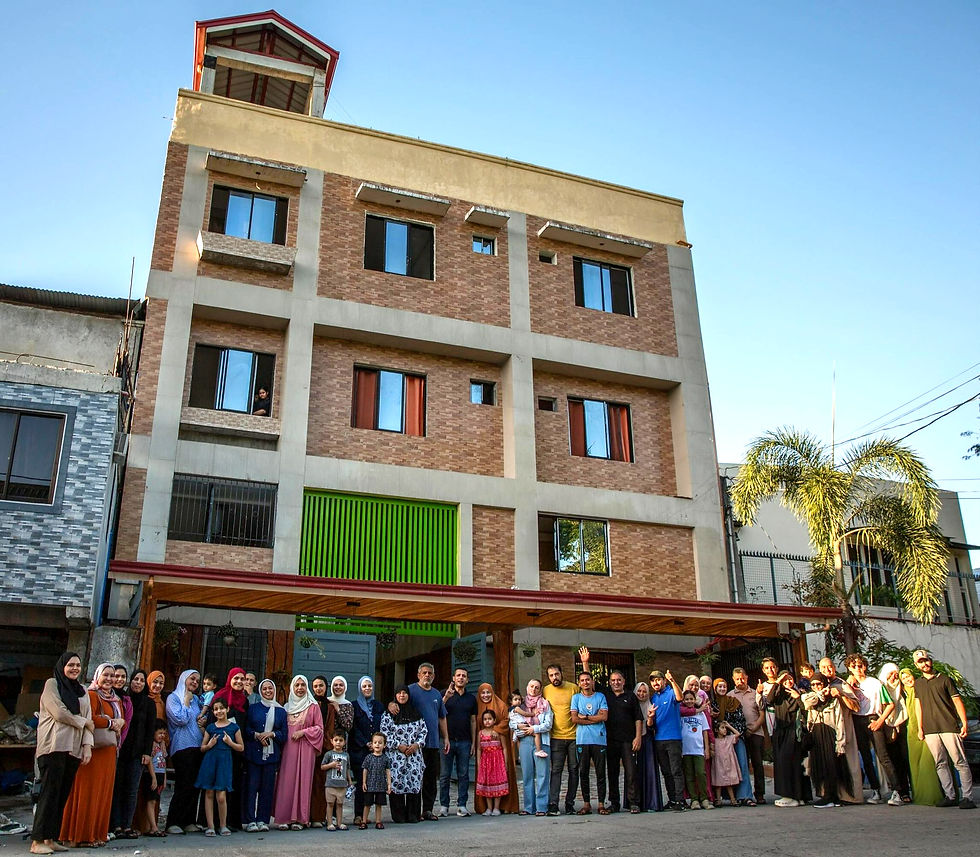
FROM GAZA TO MANILA
One of the mothers in the Little Gaza community is 28-year-old Basma Salama, the pure Palestinian wife of a half-Filipino half-Palestinian born and raised in Gaza.

Salama said her life in Gaza was “nice,” and remembers their apartment, her family being near, and frequent beach visits to enjoy the summer.
“...I did not imagine I will leave Gaza because we love it so much,” she said.
She was 13 years old when she had her first experience of war. She remembers taking an exam in school when it happened and running out while crying.
This was Israel's war on Gaza, which it calls Operation Cast Lead, in December 2008 after ceasefire talks fell apart when Israel Defense Forces (IDF) killed Hamas gunmen in a Gazan territory raid despite an ongoing ceasefire.
“All the wars, not like this war. This war destroy [sic] everything,” she said.
Her husband’s family in the Philippines did not have a place for them, and it has been “really hard in here because we are alone.”
They went to Batangas for cheaper rent and stayed there for 5 months with the money given to them by the Philippine Embassy before Kamilah Dimaporo Manala-o, another member of the MPACT, called them to come to Little Gaza.
Salama said they still needed to work and earn to survive, eat food, rent a house, and start their life.
She has an Anesthesia and Resuscitation Baccalaureate from the University College of Applied Sciences in Gaza and planned to study nursing.
However, she cannot find a job related to her degree due to her Temporary Resident Visa not being granted yet. She was told it would only take one to two months to be processed but seven months have passed.
Meanwhile, her husband can work as a driver as he previously did in Gaza since he has a Philippine passport.
At present, she cooks for the Little Gaza’s Kitchen. Her menu, Elliana’s Kitchen, was named after her three-year-old daughter.
A MOTHER’S LOVE. Elliana’s Kitchen has a four-page menu of Mediterranean food. Photos from
Elliana’s Kitchen on Facebook.
COOKING FOR THEIR FUTURE
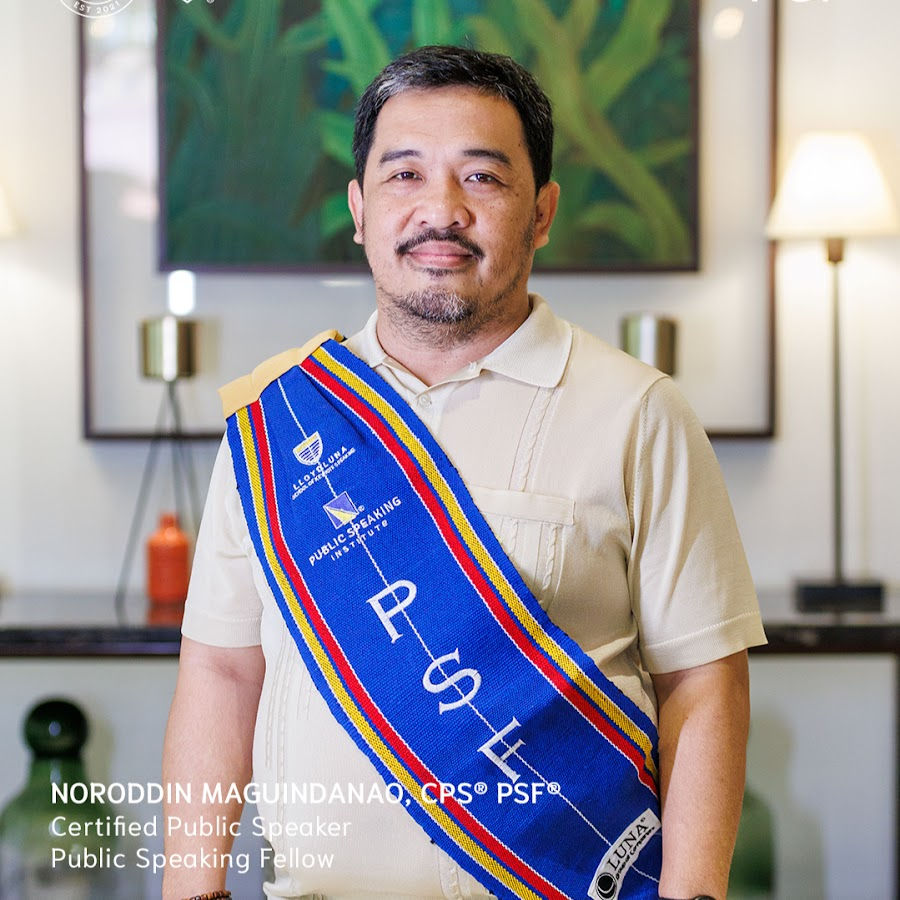
The Little Gaza’s Kitchen gives the families a “chance to live their lives and sustain their businesses in a way that is not degrading for them,” according to MPACT member Noroddin “Nords” Maguindanao.
He manages the day-to-day orders of Little Gaza’s Kitchen and its further business operations. On average, the kitchen receives 20 orders per week.
The business came to be when the resources from the sponsors were depleting, he said. They had to find a way to cover the utilities and day-to-day expenses.
It began with inviting sponsors to buy food from the Palestinian refugees for iftar, which is the breaking of fast during each day of Ramadan. They sold 3,500 food packs within the month, amounting to almost P420,000.

“...If you want to connect with cultures, you connect with their food,” Maguindanao said.
He adds it is “one way ... we could be settle also in putting out the word of the cause of the Palestinians outside.”
THE ROAD TO REPATRIATION
Salama recalled that her daughter cried a lot as they were leaving Gaza. They moved out from the north of Gaza during the first week of the war due to the bombings.
Israel launched airstrikes on Gaza on October 7, 2023, after Hamas militants from the blockaded Gaza Strip launched rockets into Israeli towns.
35,272 people have been killed and 79,205 are injured in Gaza and 1,139 have been killed and at least 8,730 are injured in Israel as of May 16, 2024.
They went to her family’s house before going to the border near Rafah as advised by the Embassy of the Philippines in Amman Jordan. They stayed there for 40 days but were met with a closed border on all four times they checked it.
After arriving in Egypt, her mother called and told her that her brother died in the Intensive Care Unit (ICU) of the Al Shifa Hospital.
The Al Shifa Hospital is the largest in Gaza. Israeli troops raided it in November 2023 after claiming that weapons were hidden inside it.
Salama’s family could not go outside and bury his brother with soldiers inside the hospital. For five days they sat on the floor while he was dying, she said.
She has 14 family members left back in Gaza and she is working to “...evacuate them to Egypt, but really expensive. For the one person, $5,000.”
Salama’s daughter pushes her to survive in the Philippines and restart their life, but she says they will return to Gaza when the situation gets better.
“Maybe, one day we can return and soon be safe, and free,” she said.
DECADES OF OCCUPATION
Gaza Strip, a 363 sq km territory, used to be a part of mandatory Palestine before Israel, the supposed national homeland for Jewish people as stated in the Balfour Declaration and British Mandate for Palestine, proclaimed its independence in 1948.
Israel committed the Nakba during the 1948 Arab-Israel war to establish itself, resulting in the ethnic cleansing of Palestine and 750,000 out of 1.9 million Palestinians becoming refugees. Israel expanded to 77% of mandatory Palestine’s territory.
Gaza Strip was captured by Egypt in 1948 until the 1967 Six-Day War when it became one of the territories seized by Israel along with the West Bank and East Jerusalem.
Israel, in 2005, technically withdrew from Gaza under Prime Minister Ariel Sharon’s disengagement plan. However, the airtight Israeli blockade on the land, air, and sea of the Gaza Strip has been present since 2007—setting the stage for “a humanitarian catastrophe.”
Palestine’s bid for full membership in the United Nations was backed by the U.N. General Assembly (UNGA) on May 10, 2024. If granted, it would effectively recognize a Palestinian state.
“We hope all this will finish. Inshallah,” Salama said.
FILIPINOS OF LITTLE GAZA
Aside from taking online orders, Little Gaza’s Kitchen also holds pop-up kitchens and sells in bazaars which they announce on their Facebook page. Their most recent appearance was at the Philippine Book Fair 2024 at the World Trade Center.
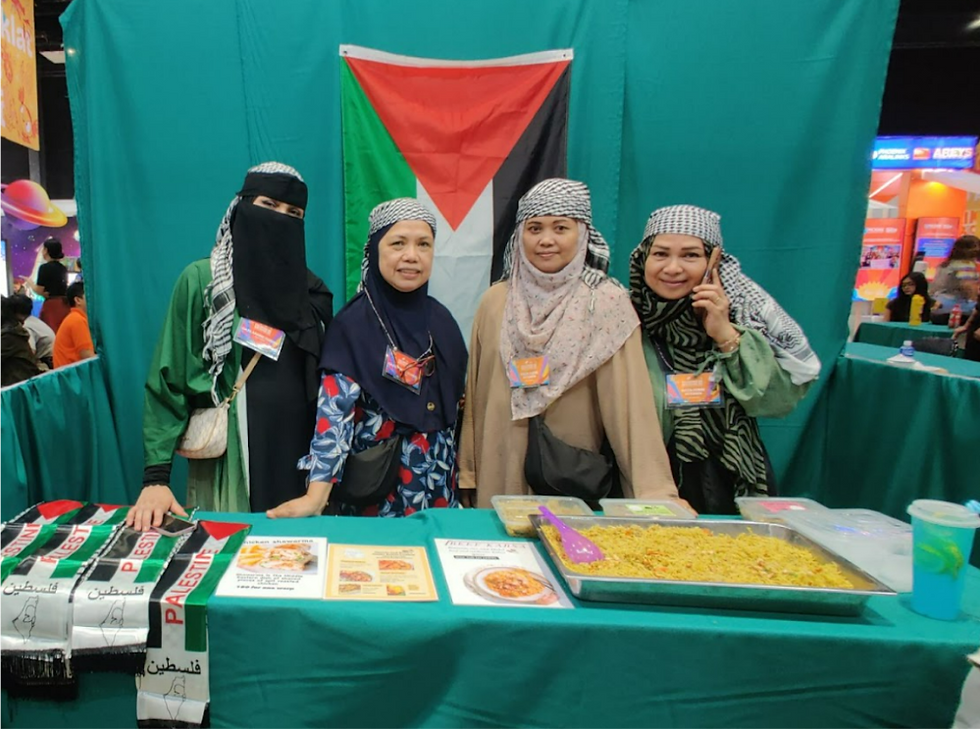
The vendors included Filipino mothers Adelina Wady (59) and Annel Abu Tawila (51).
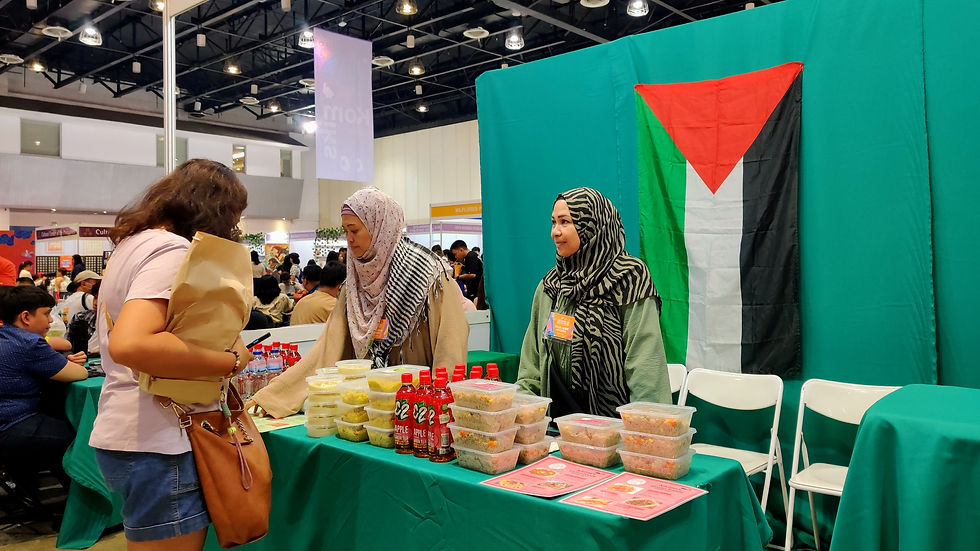
Abu Tawila returned to the Philippines for the first time after 25 years and brought her family of 16 along.
“Itong war na ‘to, hindi na namin kaya, sobra. Kaya walang magawa, kasi kami sa north side kami. Masyado doon ang bombings.” she said. (This war, we could not handle it, it was too much. We could not do anything because we were from the north side. The bombings there were too much.)
Bringing her family to Zamboanga would have been difficult according to her. They thought they would only be staying in the Philippines for two months, but they have been here longer.
ANNEL’S GAZAN HOME KITCHEN. Annel Abutawila’s four-page menu of Arabic food.
Photos from Annel's Gazan Home Kitchen Facebook page.
Wady has lived in Gaza since 1992 after marrying her husband who was studying in the Philippines.
She had a salon back in Palestine and did the makeup for weddings. “We lost everything. … Coming up here, nothing at all,” she said.
She is thankful for the people who are supporting their business “...kasi ang hirap noong palagi kang nanghihingi eh,” she said. (...because it is hard to keep begging.)
"You should stand on your feet," she said.
ADELINA’S GAZAN FOODS. Adelina Wady’s four-page menu includes several dishes.
Photos from Adelina's Gazan Foods Facebook page.
LITTLE GAZA'S KITCHEN
Maguindanao said that supporting the business would be “our own little way of helping the families to collect themselves from what happened during the siege in Gaza.”
He adds that they do not want the families to feel they are always being handed help. Maguindanao says they would rather have people order food from them so they can work.
“That’s empowerment for us,” he said.
He adds that the families are saving up a little after attending and selling at bazaars. He said in a mix of English and Filipino, “...hopefully, they can be on their own to pay for their utilities.”
They are reserving the idea of a physical store in the future as they need to know first which families would stay and leave Don Antonio. According to him, some families plan to go to their provinces after one to three months.
“You do not need to be a Muslim to help these people, you just need to be human to understand what is happening in Gaza,” Maguindanao said.
Comments